


The Carnot IFPEN Transports Energie (TE) is a key player in the energy and environmental transition towards decarbonised, sustainable mobility.
It proposes and develops innovative technological and/or digital solutions for industry, users and public decision-makers to increase energy efficiency and reduce the environmental impacts of transport systems. It supports the changes associated with the energy and ecological transition of mobility.
Innovate
Innovative solutions for the decarbonization and digitalization of mobility, such as:
- electric machines for a wide range of power ratings, high-efficiency drive electronics and associated control systems,
- electrochemical systems for energy storage and production (batteries and fuel cells) and optimal vehicle energy management,
- hydrogen propulsion and low carbon gases (natural gas, biogas): optimised combustion engines and associated emission-control systems,
- web services for energy, economic and environmental analysis of individual and collective transport,
- engineering tools for the design of propulsion systems to improve energy efficiency and reduce environmental impact.
Collaborate
- Close relationships with industry: start-ups, micro-enterprises, SMEs, mid-sized companies (ETIs) and large French and international industrial groups
- Strong engagement with competitiveness clusters (NextMove, CARA, etc.)
- Synergy with networks of academic partners and internationally active R&D laboratories
- Active presence in European bodies representing research and industry (EARPA, ERTRAC, EGVIAfor2ZERO, POLIS, CCAM, BEPA).
Technology transfer
Support for industrial sectors across a wide range of technology readiness levels (TRL 2 to 9).
Transfer of our R&D results through:
- co-development of products with licence agreements,
- strategic partnerships,
- collaborative research contracts.
Did you know ?
The Carnot IFPEN TE was awarded the “Institut Carnot” label at the initiative’s launch by the Ministry of Higher Education, Research and Innovation in 2006. Within this multidisciplinary R&D network, which now comprises 39 Carnot institutes, it has pursued for more than 15 years its mission to prepare the industrial and economic future by accelerating the transfer of technologies from research to the socio-economic world.

ELABORATOR: a laboratory supporting sustainable mobility in European towns and cities
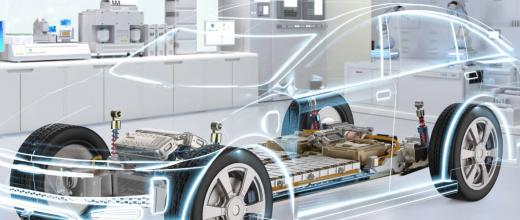
IFPEN at SIA Powertrain 2023: concentrated expertise for low-carbon mobility